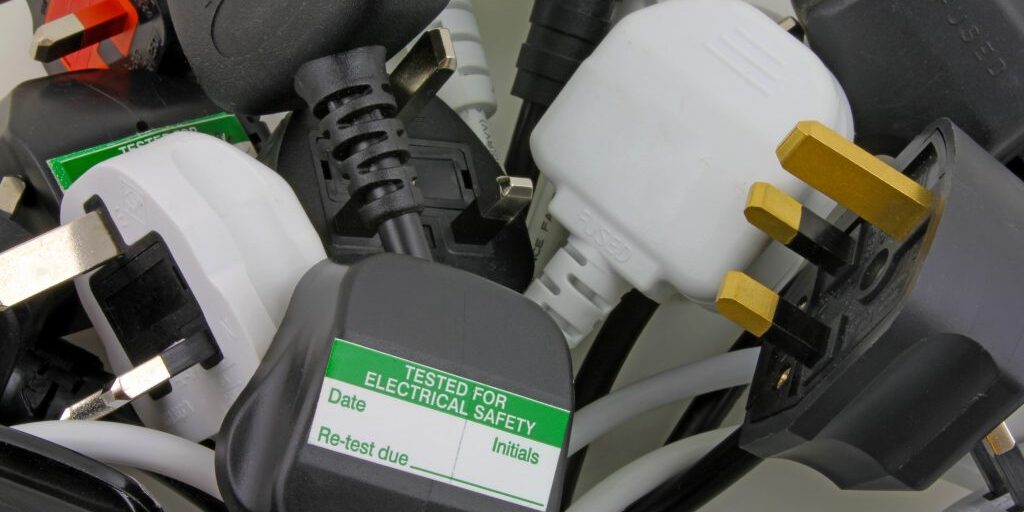
PAT Testing in Care Homes: What Should Providers Consider?
A practical guide to electrical equipment maintenance and PAT testing in care homes, including resident-owned equipment, inspection intervals and record keeping.

A practical guide to electrical equipment maintenance and PAT testing in care homes, including resident-owned equipment, inspection intervals and record keeping.
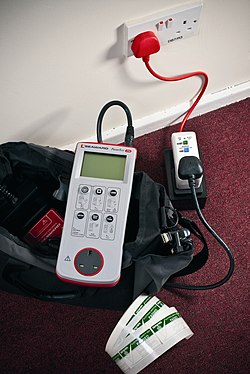
Extension leads can suffer damage through frequent handling, movement and overloading. Learn how visual checks and PAT testing fit into a sensible maintenance programme.
PAT test labels and records are useful management tools, but HSE says there is no general legal requirement to label every tested appliance or keep PAT testing records.
Visual inspection and PAT testing are not the same thing. Learn which defects can be spotted visually, when electrical testing adds value and how both fit into a maintenance programme.
New electrical equipment should normally be supplied in a safe condition and does not automatically need a formal PAT test before first use. Here is what HSE recommends.
Learn the difference between Class I and Class II electrical appliances, how earthing and double insulation differ, and why the appliance class matters for inspection and testing.
What should happen after a failed PAT test? Learn when equipment should be removed from use, repaired, replaced and retested.
Office computers do not automatically need annual PAT testing. Learn how HSE’s risk-based approach applies to desktop computers, monitors and other office equipment.
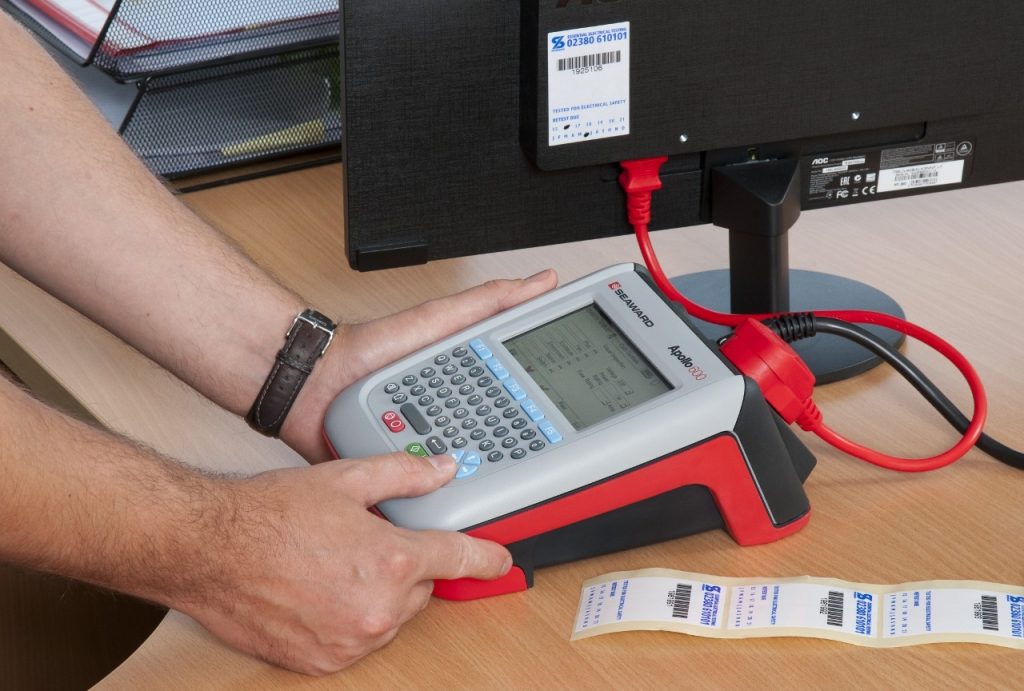
A practical PAT testing guide for school site managers covering equipment types, scheduling, inspection frequency and record keeping.
A practical guide for landlords and managing agents on maintaining supplied electrical appliances safely and where PAT testing can fit into a risk-based maintenance programme.